
EVA can make BOPP film more flexible, improve heat sealing, and increase adhesion between different film layers. Ethylene-vinyl acetate (EVA) is a common polymer used to modify the performance of plastic films. When EVA is used with BOPP film, it can help solve some of the limits of standard polypropylene, especially when better sealing, softness, or interlayer bonding is needed.
What Is EVA?
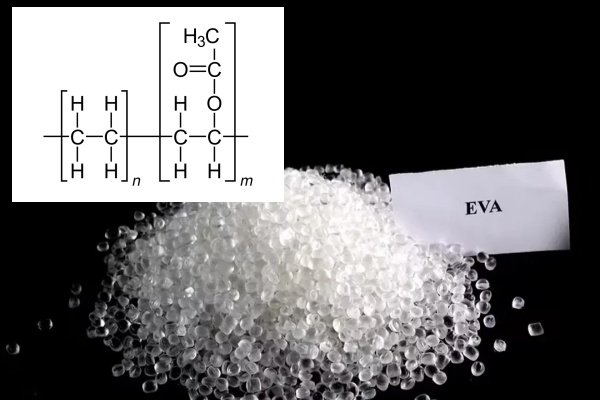
EVA is a copolymer made from ethylene and vinyl acetate. The vinyl acetate content affects how EVA behaves in a film. In general, higher vinyl acetate content can make EVA softer and more flexible. It can also improve adhesion and sealing performance.
EVA is widely used in packaging films, adhesives, coatings, and other flexible plastic products. Its properties make it useful when a film needs more flexibility than standard polypropylene can provide.
What Is BOPP Film?
BOPP stands for biaxially oriented polypropylene. BOPP film is a strong, lightweight, and widely used packaging film. The film is stretched in both the machine direction and transverse direction. This orientation gives BOPP good tensile strength, clarity, stiffness, and dimensional stability.
BOPP is used in many applications, including food packaging, labels, lamination, printing, and industrial packaging. However, standard BOPP also has some limitations. Its heat-sealing ability and adhesion can be limited without a suitable sealant or coating layer.
What Does EVA Do in BOPP Film?
EVA mainly helps improve flexibility, heat sealing, and adhesion in BOPP film structures. This makes EVA useful when standard polypropylene does not provide enough sealing or bonding performance.
1. EVA Improves Heat Sealing
EVA can lower the temperature needed for heat sealing. This can help create a stronger seal at a lower sealing temperature. This property is useful in packaging machines where fast sealing and good seal integrity are important.
The exact sealing performance depends on the EVA grade, vinyl acetate content, layer thickness, blend ratio, and film structure. EVA is often used as part of a sealant layer rather than as the main material of the oriented BOPP core.
2. EVA Improves Flexibility
EVA can make a film structure softer and more flexible. This is helpful when the final packaging needs better flexibility or conformability.
Standard BOPP is known for its stiffness and strength. EVA can balance these properties when a softer sealing or bonding layer is needed. This can be useful for flexible packaging structures that combine BOPP with other materials.
3. EVA Can Improve Adhesion
EVA can improve bonding between polymer layers. Its polar vinyl acetate groups can provide better interaction with some materials than non-polar polypropylene alone.
This can be important in multilayer film structures. For example, a BOPP film may need to work with another polymer layer, adhesive, coating, or printing system. A suitable EVA-containing layer can help improve interlayer bonding.
4. EVA Can Improve Low-Temperature Sealing
EVA can support sealing performance at lower temperatures. This can be useful for packaging materials that are sensitive to heat.
Lower sealing temperatures may also help reduce the thermal load on the film during packaging. However, the actual processing window must be tested with the specific film structure and packaging machine.
5. EVA Can Improve Impact Performance
EVA is softer than polypropylene. Adding EVA to a suitable film layer can improve toughness and resistance to some types of impact.
The effect depends strongly on the EVA grade and concentration. Too much EVA may also reduce stiffness or change optical and processing properties. Therefore, formulation balance is important.
How Is EVA Used in BOPP Film?
EVA is usually used in a specific layer of a multilayer BOPP structure. The goal is to place EVA where its flexibility, sealing, or adhesion properties provide the most value.
A typical multilayer structure may include:
- BOPP core layer: Provides strength, stiffness, and dimensional stability.
- EVA-containing sealant layer: Provides better sealing and flexibility.
- Coating or functional layer: Provides specific surface properties when required.
This structure allows manufacturers to keep the mechanical advantages of BOPP while adding functions that polypropylene alone may not provide.
Need high-performance thermal films for your production line? Contact our sales team today at info@szfilmfactory.com for quick technical advice and free samples.
EVA vs. Standard PP in Film Applications
EVA and polypropylene have different material properties. EVA is generally softer and easier to seal, while PP offers higher stiffness and strong mechanical performance.
| Property | EVA | Standard PP / BOPP |
|---|---|---|
| Flexibility | High | Medium to low |
| Heat sealing | Good | Limited without a sealant layer |
| Stiffness | Lower | Higher |
| Adhesion | Better in many structures | Relatively low |
| Transparency | Depends on grade | Generally good in BOPP |
| Chemical resistance | Good | Very good |
| Main role | Sealant or modifier | Main film structure |
The right material depends on the final application. EVA is often used to add specific functions rather than replace BOPP completely.
How Thermal EVA Lamination Compares to Wet Lamination
Thermal EVA lamination eliminates solvent solvents and speeds up job completion. Wet lamination relies on liquid glue that requires long drying times and emits volatile organic compounds (VOCs).
Thermal BOPP film with pre-applied EVA arrives ready for instant heat bonding. Operators achieve clean runs, faster turnarounds, and safer working environments without liquid adhesive cleanup.
Looking to upgrade your lamination line? You can Get a Quote now to check bulk pricing for your packaging projects.
Why Is EVA Useful in Multilayer BOPP Film?
EVA is valuable because it can give one film structure different functions. A multilayer film can use BOPP for strength and EVA for sealing or flexibility.
This approach is especially useful for flexible packaging. The film designer can select different polymers for different layers. This gives manufacturers more control over sealing temperature, bond strength, flexibility, and overall film performance.
Factors That Affect EVA Performance in BOPP Film
EVA performance depends on several formulation and processing factors. The EVA grade alone does not determine the final film performance.
Vinyl Acetate Content
Vinyl acetate content has a major effect on EVA properties. Higher vinyl acetate content usually increases flexibility and polarity. It can also affect sealing behavior, stiffness, and compatibility with other materials.
EVA Content
The amount of EVA in the formulation also matters. A higher EVA ratio may increase flexibility but can reduce stiffness.
For this reason, the EVA concentration should match the target application rather than simply being increased.
Layer Thickness
Layer thickness affects the final performance of the film. A thin functional layer may be enough when EVA is mainly used to improve sealing or adhesion.
The optimal thickness depends on the sealing requirements, film structure, converting process, and final product.
Processing Conditions
Extrusion and film-making conditions can change film performance. Temperature, extrusion conditions, orientation, cooling, and winding all need to be controlled carefully.
For BOPP structures, the processing window is especially important because the film undergoes biaxial orientation.
Does EVA Make BOPP Film Better?
EVA can make a BOPP film structure better for specific applications, but it is not automatically better in every case. The main advantage is targeted performance improvement.
For example, a packaging structure may need high stiffness, good appearance, and strong sealing. BOPP can provide stiffness and optical performance, while an EVA-containing layer can provide sealing and flexibility.
The best solution depends on the final packaging requirements. Material selection should consider sealing temperature, seal strength, bond strength, flexibility, stiffness, clarity, friction, printing, and converting conditions.
EVA in BOPP Film for Surface-Functional Applications
EVA is mainly related to the bulk or sealing performance of a film structure, while surface treatments can provide additional functions. For high-value BOPP films, surface performance can be just as important as basic mechanical properties.
For example, packaging and decorative applications may require a specific tactile feel, better scratch resistance, or a clean surface with reduced fingerprints. These functions are usually achieved through coatings, surface treatments, or functional film designs rather than EVA alone.
At Shunzhan New Materials, we focus on BOPP and PET film solutions for different surface and functional requirements. Our product range includes soft touch film, anti-scratch film, anti-fingerprint film, and multifunctional film combining these three properties.
If your project needs a functional BOPP or PET film, you can explore our related product pages and compare the available surface solutions.
EVA and BOPP Film Selection: What Should You Check?
The right BOPP film should be selected according to the final application. Start with the required function instead of choosing a polymer only by its material name.
Key factors include:
- Required sealing temperature
- Seal strength
- Film flexibility
- Stiffness
- Adhesion requirements
- Surface appearance
- Scratch resistance
- Fingerprint resistance
- Printing and coating compatibility
- Lamination requirements
- Film thickness
- Processing conditions
A clear specification makes it easier to select the right film structure and avoid unnecessary material costs.
Frequently Asked Questions About EVA in BOPP Film
What is EVA in BOPP film?
EVA is an ethylene-vinyl acetate copolymer used in BOPP film structures to improve properties such as heat sealing, flexibility, adhesion, and toughness.
Is EVA used as the main layer of BOPP film?
Usually, EVA is used in a specific functional or sealant layer. BOPP normally remains the main oriented polypropylene layer that provides strength and stiffness.
Does EVA improve the heat sealing of BOPP?
Yes. EVA can improve heat-sealing performance and may allow sealing at lower temperatures. The result depends on EVA grade, formulation, layer thickness, and the complete film structure.
Does EVA make BOPP film softer?
EVA is generally softer and more flexible than polypropylene. An EVA-containing layer can therefore make the overall film structure more flexible.
Can EVA improve adhesion?
Yes. EVA can improve adhesion in some multilayer structures because its vinyl acetate component provides greater polarity than standard polypropylene.
Is EVA suitable for all BOPP film applications?
No. EVA should be selected based on the required performance and processing conditions. Excessive EVA can change stiffness, optical properties, and processing behavior.
Partner with Shunzhan New Materials
EVA is a useful material for improving the functional performance of BOPP film structures. Its main advantages are better heat sealing, increased flexibility, improved adhesion, and useful toughness. By combining BOPP with an EVA-containing functional layer, manufacturers can create films that balance strength, stiffness, sealing, and flexibility.
The right formulation depends on the application, film structure, processing conditions, and required surface performance. For projects that also require a special surface effect, functional BOPP or PET films can provide additional value.
Looking for a BOPP or PET film with specific functional performance? Shunzhan New Materials can help you evaluate the right film solution for your application. Contact us at info@szfilmfactory.com, use our contact or quotation form, or arrange a factory visit if you would like to discuss your requirements with our team.