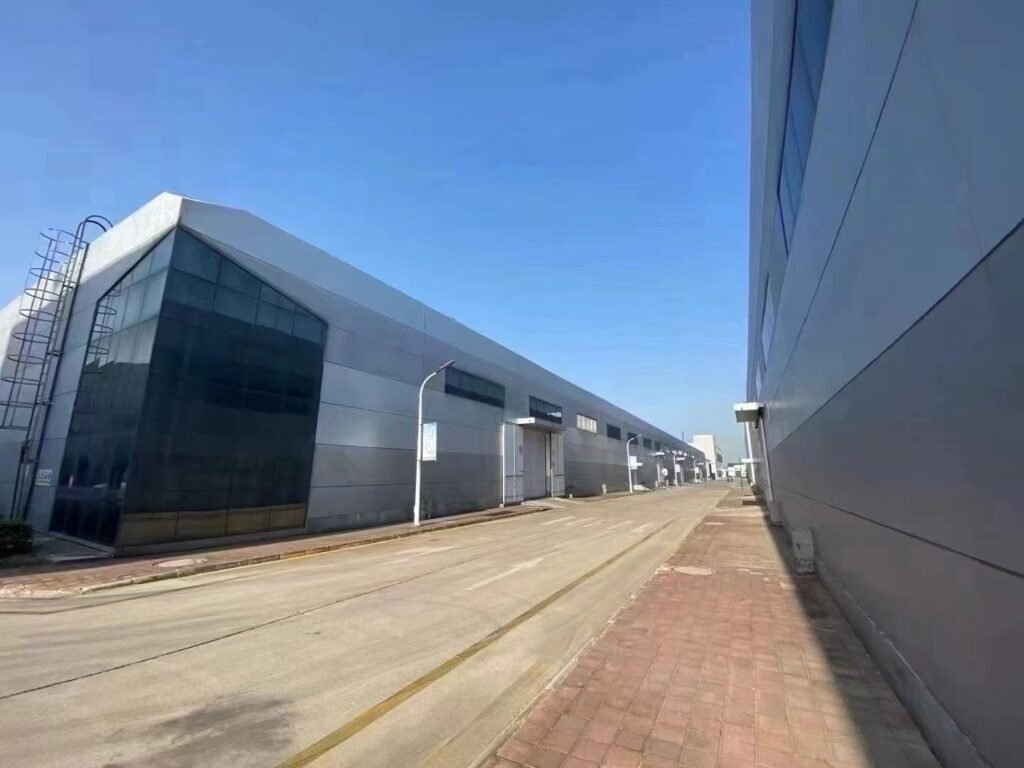
Proper storage and moisture control are the most important ways to keep BOPP film stable during the rainy season. High humidity, frequent rain, and typhoon weather can increase the risk of condensation, poor print quality, lamination defects, and material waste. By using the right storage conditions and production practices, manufacturers can protect film performance and maintain consistent product quality.
Need reliable BOPP or PET film for humid climates? Contact Shunzhan New Materials for professional support and customized film solutions.
Why Does the Rainy Season Affect BOPP Film?
High humidity changes the condition of BOPP film before and during production.
Although BOPP film has good moisture resistance, it is still affected by sudden temperature changes and humid air. When cold film is moved into a warm workshop, water droplets may form on the film surface. This condensation can reduce printing quality and cause problems during lamination.
During summer, many regions also experience long rainy periods and typhoons. These weather conditions increase warehouse humidity and make moisture control more difficult.
Common risks include:
- Surface condensation
- Poor ink adhesion
- Lamination bubbles
- Static imbalance
- Increased production waste
- Longer machine downtime
Looking for BOPP film with stable performance in humid environments? Contact Shunzhan New Materials for expert recommendations.
Best Practices for Storing BOPP Film During the Rainy Season
A dry and stable warehouse is the first step to protecting BOPP film.
Good storage conditions help prevent moisture problems before production even begins.
Keep the warehouse dry
Maintain indoor humidity below 60% RH whenever possible. Use industrial dehumidifiers during long periods of rain.
Control the storage temperature
Store BOPP film between 20°C and 30°C. Avoid large temperature changes that can create condensation.
Keep rolls sealed
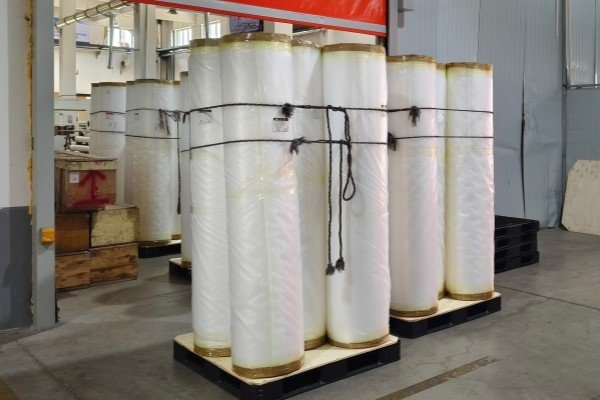
Do not remove the original packaging until the material is ready for production. The packaging protects the film from humid air.
Store rolls correctly
Place rolls on pallets instead of directly on the floor. Leave space between walls and the pallets to improve air circulation.
Follow the FIFO rule
Use First In, First Out (FIFO) inventory management to reduce long-term storage.
Allow BOPP Film to Reach Room Temperature Before Production
Temperature balance helps prevent condensation.
When film arrives from a cool warehouse or container, do not use it immediately.
Allow the rolls to stay inside the production area for 24–48 hours before opening the packaging. This helps the film reach the same temperature as the workshop and reduces the chance of water forming on the surface.
This simple step can greatly improve printing and lamination quality.
Production Tips During Humid Weather
Stable production conditions reduce defects caused by humidity.
Rainy weather affects more than storage. Production settings also need extra attention.
Maintain workshop humidity
Keep the production environment around 45–60% RH whenever possible.
Check corona treatment
Verify the corona level before printing or laminating, especially if the film has been stored for a long time.
Inspect the film surface
Look for water spots, dust, or condensation before loading each roll.
Adjust drying conditions
Printing inks and adhesives may require longer drying times during humid weather.
Monitor static electricity
Humidity changes can affect static control. Regularly inspect static elimination equipment.
Quick Tip: Small adjustments during rainy weather can prevent expensive production defects later.
Extra Precautions During Typhoon Season
Typhoon weather requires stronger warehouse protection.
Typhoon season often brings heavy rain, flooding, and power interruptions. Companies should prepare in advance to protect valuable film inventory.
Recommended actions include:
- Inspect warehouse roofs for leaks.
- Keep film away from doors and windows.
- Raise pallets higher if flooding is possible.
- Prepare backup power for humidity control equipment.
- Check incoming materials carefully after transportation during storms.
Planning ahead reduces unexpected losses and keeps production running smoothly.
Frequently Asked Questions (FAQ)
Can BOPP film absorb water?
No, BOPP film does not absorb much water, but moisture can collect on the surface. Surface condensation can still create printing and lamination problems.
What is the best humidity for storing BOPP film?
Around 50–60% relative humidity is recommended. Lower humidity helps reduce condensation risks.
How long should BOPP film stay in the workshop before use?
Usually 24 to 48 hours. The exact time depends on the temperature difference between storage and production.
Does rainy weather affect printing quality?
Yes. High humidity may reduce ink adhesion, slow drying, and increase production defects if proper controls are not used.
Why Choose Shunzhan New Materials?
Experienced film manufacturers help customers reduce production risks throughout the year.
Shunzhan New Materials specializes in BOPP film and PET film for printing, lamination, packaging, labeling, and industrial applications. We provide stable quality, customized solutions, and technical support to help customers achieve reliable production even during challenging summer weather.
Contact Shunzhan New Materials Today
Protect your BOPP film from moisture before storage problems become production losses. Whether you need high-quality BOPP film, PET film, or professional advice for rainy-season storage and processing, the team at Shunzhan New Materials is ready to help. Contact us at info@szfilmfactory.com or click our Contact Us page to submit an inquiry. Our experts will recommend the right film solution for your application and help you maintain consistent quality throughout the rainy and typhoon season.