
BOPP and BOPE films are not competitors in every application. BOPP is the best choice for cost-effective, high-quality printing and general packaging, while BOPE is ideal for recyclable packaging, cold-chain products, and applications that require excellent toughness and direct heat sealing. Choosing the right film depends on your product, packaging structure, and sustainability goals.
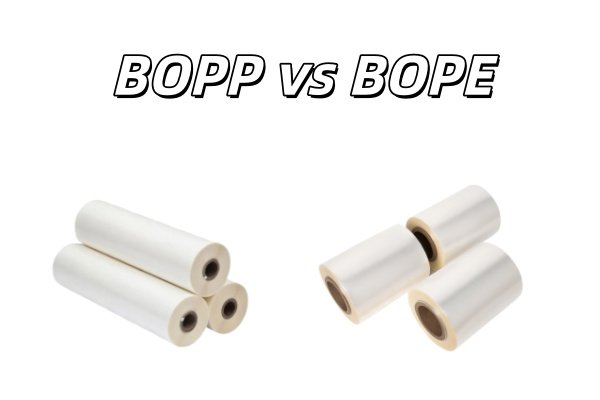
As packaging technology evolves, manufacturers are looking for materials that balance performance, cost, and environmental responsibility. Although BOPP has dominated the flexible packaging industry for decades, BOPE is growing quickly as demand for mono-material recyclable packaging increases.
Quick Answer
- Choose BOPP for standard packaging, labels, tape, and premium printing.
- Choose BOPE for frozen food, recyclable packaging, heavy-duty bags, and direct heat sealing.
- Combine both when you need excellent print quality together with toughness and sustainability.
Looking for the right film for your packaging project? Contact Shunzhan New Materials for expert recommendations based on your application.
What Are BOPP and BOPE Films?
The biggest difference is the base material. BOPP is made from polypropylene (PP), while BOPE is made from polyethylene (PE).
What is BOPP Film?
BOPP stands for Biaxially Oriented Polypropylene Film. It is produced by stretching polypropylene in both the machine direction and transverse direction.
This manufacturing process gives BOPP excellent:
- High stiffness
- Outstanding clarity
- Smooth printing surface
- Good moisture resistance
- Competitive cost
Because of these advantages, BOPP has been one of the world’s most widely used packaging films for more than 30 years.
What is BOPE Film?
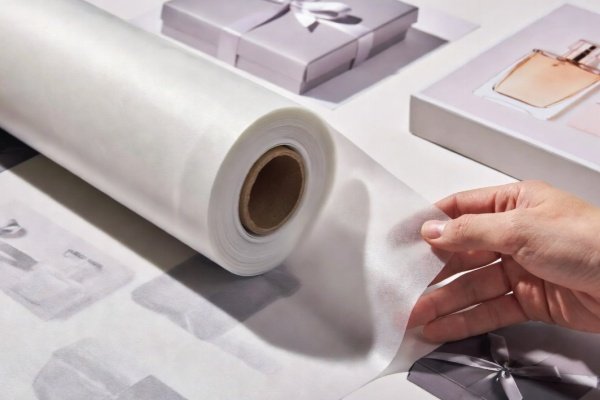
BOPE stands for Biaxially Oriented Polyethylene Film. It uses polyethylene resins such as HDPE or LLDPE and is stretched during production to improve its mechanical properties.
Compared with traditional PE film, BOPE offers:
- Higher toughness
- Better puncture resistance
- Excellent low-temperature performance
- Direct heat sealing capability
- Better recyclability
Its popularity has grown rapidly as brands move toward mono-material PE packaging.
BOPP vs BOPE: Feature Comparison
Several key properties clearly separate these two films.
| Property | BOPP | BOPE |
|---|---|---|
| Base Material | Polypropylene (PP) | Polyethylene (PE) |
| Stiffness | High | Medium |
| Toughness | Good | Excellent |
| Low Temperature Resistance | Around 0°C | Below -50°C |
| Heat Seal | Usually requires sealant layer | Direct heat sealing |
| Transparency | Excellent | Very good |
| Printability | Excellent | Very good |
| Recyclability | More difficult | Easier |
| Cost | Lower | Slightly higher |
BOPP Offers Better Rigidity and Print Quality
BOPP is the preferred choice when appearance and stiffness matter most.
Its high rigidity keeps packages flat and attractive on retail shelves. It also delivers bright colors and sharp graphics, making it ideal for premium packaging.
Typical applications include:
- Snack packaging
- Bread bags
- Labels
- Adhesive tapes
- Metallized films
- Laminated paper
If your priority is outstanding shelf appeal at a competitive price, BOPP remains an excellent solution.
Need premium printable BOPP film? Shunzhan New Materials supplies customized BOPP films for various converting and printing applications.
BOPE Excels in Toughness and Low-Temperature Performance
BOPE performs better in demanding environments.
Unlike BOPP, BOPE stays flexible even under freezing conditions. It also resists tearing, punctures, and repeated folding much better.
These properties make BOPE suitable for:
- Frozen food packaging
- Cold-chain logistics
- Fresh meat packaging
- Heavy-duty bags
- Industrial packaging
- Recyclable mono-material pouches
Its direct heat sealing capability can also simplify packaging structures by eliminating extra sealing layers.
Heat Sealing Is One of the Biggest Differences
BOPE can be heat sealed directly, while standard BOPP usually cannot.
Standard BOPP normally requires:
- PE sealing layers
- Heat seal coatings
- Lamination with other materials
This increases both manufacturing complexity and processing cost.
BOPE typically seals between 80°C and 110°C, creating strong seals without additional layers. This simplifies package design and supports recyclable mono-material structures.
BOPE Is Better for Recycling
BOPE better supports today’s sustainable packaging goals.
Because BOPE belongs to the polyethylene family, it fits naturally into mono-material PE recycling systems.
This provides several benefits:
- Easier recycling
- Simpler package structures
- Better compliance with sustainability regulations
- Lower environmental impact
BOPP remains recyclable in some systems, but multi-material laminated structures are generally more difficult to recycle.
Key Takeaway
Companies pursuing recyclable flexible packaging increasingly choose BOPE to meet global sustainability requirements.
Common Applications of BOPP and BOPE
Each film performs best in different packaging applications.
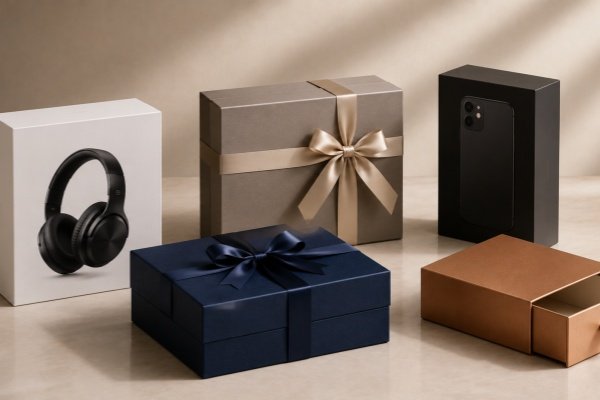
BOPP Applications
- Food packaging
- Labels
- Pressure-sensitive tapes
- Gift wrap
- Tobacco packaging
- Cosmetic packaging
- Stationery
- Metallized film base
BOPE Applications
- Frozen foods
- Ice cream packaging
- Fresh meat
- Heavy-duty industrial bags
- Rice and flour bags
- Courier bags
- Recyclable flexible packaging
- Direct heat seal packaging
How to Choose Between BOPP and BOPE
Your packaging requirements should guide your decision.
Choose BOPP if you need:
- High-quality printing
- High stiffness
- Excellent gloss
- Lower material cost
- Standard room-temperature packaging
Choose BOPE if you need:
- Frozen or refrigerated packaging
- Direct heat sealing
- High puncture resistance
- Flexible packaging
- Recyclable mono-material structures
For many premium packaging solutions, using BOPP as the outer layer and BOPE as the inner sealing layer provides an excellent balance of appearance, performance, and sustainability.
Industry Trend: Competition Is Giving Way to Combination
The future of flexible packaging is not BOPP or BOPE—it is both working together.
BOPE continues to grow because of increasing demand for recyclable packaging, cold-chain logistics, and sustainable materials.
At the same time, BOPP remains indispensable because of its:
- Mature manufacturing technology
- Stable global supply
- Lower production cost
- Superior stiffness
- Excellent printing performance
Many converters are now developing packaging structures that combine the strengths of both materials.
Часто задаваемые вопросы
Can BOPE completely replace BOPP?
No. BOPP still performs better in stiffness, print quality, and cost efficiency for many everyday packaging applications.
Is BOPE always more expensive?
Not necessarily. Although the film itself may cost slightly more, simplified package structures and improved recyclability can reduce total packaging costs.
Is BOPP suitable for frozen packaging?
Generally no. Standard BOPP becomes brittle near 0°C and is not recommended for frozen applications.
Which film is better for sustainable packaging?
BOPE is usually the better option because it supports recyclable mono-material PE packaging systems.
Partner with Shunzhan New Materials for the Right Film Solution
Choosing the right packaging film improves product performance, production efficiency, and sustainability. Whether you need high-clarity BOPP film, high-performance BOPE film, or a customized multilayer solution, Shunzhan New Materials specializes in manufacturing quality BOPP and PET films for customers worldwide.
If you’re selecting materials for a new packaging project or want to optimize your current film structure, contact our technical team today. Email us at info@szfilmfactory.com or click our Contact Us page to submit your inquiry. We are ready to help you find the most suitable film solution for your business.