
Heat sealable film forms a seal when heat and pressure activate its sealable surface. This process helps close food packages, protect products, and support efficient packaging production. The right film depends on the food product, packaging structure, sealing equipment, and required barrier performance.
What Is Heat Sealable Film?
Heat sealable film is a flexible packaging material designed to bond under controlled heat and pressure. It often contains a sealable layer that softens and joins with another compatible surface during sealing.
Depending on the application, heat sealable films may be made from BOPP, PET-based structures, or other polymer materials. Some films have a sealable coating or layer, while others use a specially designed surface or multilayer structure.
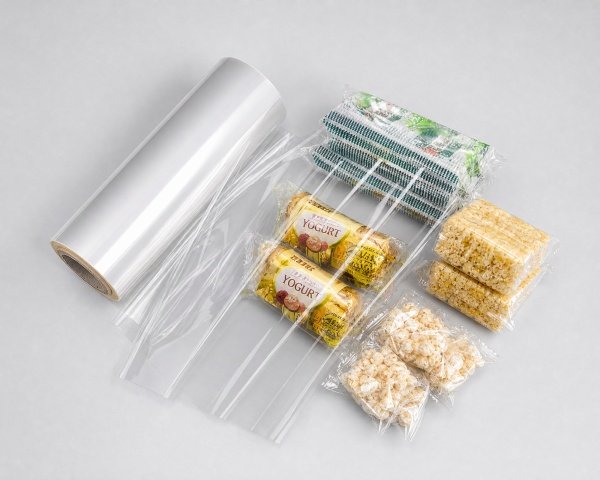
Common applications include snack packaging, dry food bags, confectionery packaging, and other flexible food packs.
How Does Heat Sealing Work?
Heat sealing usually involves three main steps: heat, pressure, and cooling.
- Heat activates the seal layer. The sealing surface reaches a suitable temperature and becomes capable of bonding.
- Pressure brings the surfaces together. The sealing jaws press the compatible surfaces into contact.
- Cooling helps the seal set. The bonded area cools and develops the strength needed to keep the package closed.
The correct temperature, pressure, and dwell time are essential. If these settings are not suitable for the film, the seal may be weak, uneven, or damaged.
Why Is Heat Sealable Film Important for Food Packaging?
Heat sealable film helps manufacturers create consistent packages and protect food during storage and distribution.
- Package integrity: A suitable seal helps keep the package closed during handling and transport.
- Production efficiency: Films designed for the intended sealing process can support consistent packaging performance.
- Product protection: The complete packaging structure can help protect food from moisture, oxygen, and other external factors when properly designed.
- Flexible packaging design: Heat sealable films are available for different structures, finishes, and packaging formats.
The required protection depends on the food product and the barrier properties of the complete package, not heat sealability alone.
What Affects Heat Sealing Performance?
Good sealing performance depends on both film properties and machine settings.
Sealing temperature must match the film’s sealing characteristics. Too little heat may cause weak seals, while excessive heat can distort or damage the film.
Pressure and dwell time affect how well the sealing surfaces bond. The correct combination depends on the equipment and packaging speed.
Film structure and thickness also matter. Different seal layers and film constructions may require different operating conditions.
Contamination in the seal area can reduce seal quality. Food particles, oil, or moisture may interfere with bonding, depending on the product and process.
Always test the film under actual production conditions before full-scale use.
How to Choose Heat Sealable Film for Food Packaging
The best film should match your product, packaging machine, and food protection requirements.
Start by identifying the food type and packaging format. Dry snacks, confectionery, and products that require stronger moisture or oxygen protection may need different film structures.
Next, check the required sealing temperature range, seal strength, packaging speed, and barrier performance. Also confirm whether the film must support printing, lamination, or other converting processes.
For food-contact applications, verify that the material is suitable for the intended use and meets the applicable regulatory requirements in your target market.
Heat Sealable Film Solutions from Shandong Shunzhan New Materials
Shandong Shunzhan New Materials specializes in BOPP and PET films for flexible packaging and other applications. Our product range includes heat sealable film, along with functional and decorative film options.
The right film specification depends on your packaging structure and production requirements. When discussing a project with our team, share your intended application, film thickness, roll width, sealing conditions, and any specific barrier or food-contact requirements.
Explore our heat sealable film products or contact us to discuss a suitable option for your packaging needs.
Часто задаваемые вопросы
1. Is heat sealable film suitable for frozen food packaging?
It can be, provided the film structure and seal perform well under the required freezing, storage, and distribution conditions. Check low-temperature performance and package integrity before use.
2. Can heat sealable film be used in automatic packaging machines?
Yes. Many heat sealable films are designed for automatic packaging lines. However, film specifications must match the machine’s sealing system, operating speed, and forming requirements.
3. What is the difference between heat sealing and adhesive sealing?
Heat sealing bonds compatible surfaces through heat and pressure, usually by activating a polymer seal layer. Adhesive sealing relies on an adhesive to create the bond. The suitable method depends on the packaging structure and application.
4. Does heat sealable film always provide a moisture and oxygen barrier?
No. Heat sealability and barrier performance are different properties. Moisture and oxygen protection depend on the film materials, layer structure, thickness, and overall package design.
Find the Right Heat Sealable Film for Your Application
Looking for heat sealable film for food packaging? Shandong Shunzhan New Materials can help you explore BOPP and PET film options based on your packaging and processing needs.
Email info@szfilmfactory.com or contact our team and request a quote. Share your packaging requirements to start discussing a suitable film solution.