
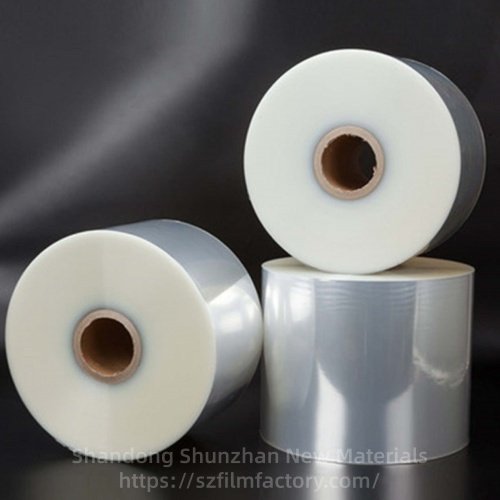
What is BOPP film and how does it compare to other packaging plastics? BOPP stands for Biaxially Oriented Polypropylene, a high-strength, crystal-clear packaging film that serves as the industry standard for commercial lamination; compared to PET and PVC, it offers the best balance of cost-efficiency, flexibility, and ease of thermal bonding.
1. BOPP Film Properties
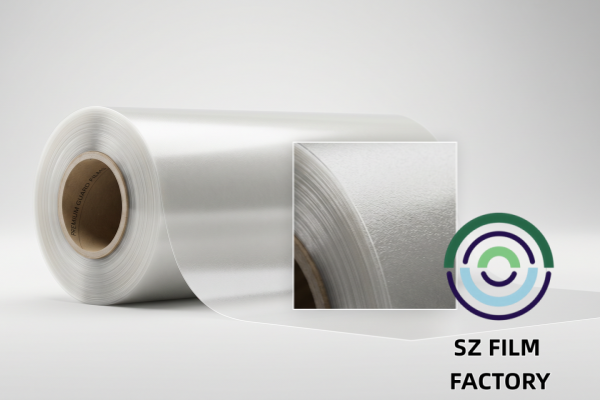
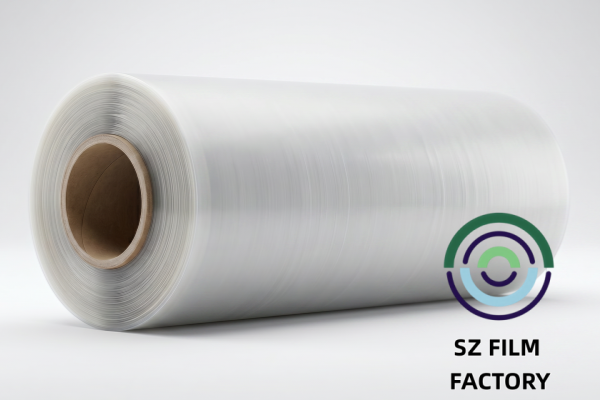
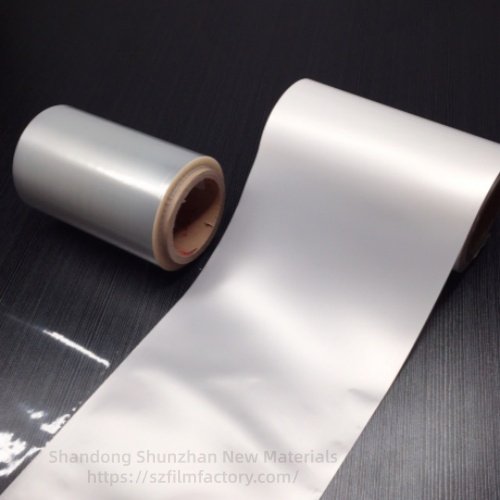
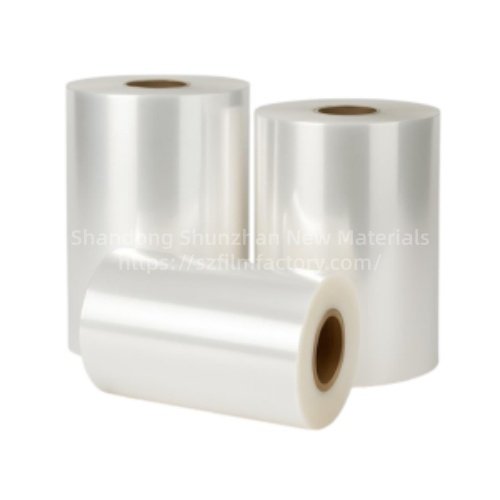
BOPP film is created by stretching polypropylene plastic in two distinct directions to drastically improve its optical and mechanical performance. During manufacturing, the base polymer is extruded and stretched both machine-direction (MD) and transverse-direction (TD). This biaxial alignment enhances the film’s structural integrity, resulting in exceptional clarity, high tensile strength, excellent moisture barrier properties, and superior chemical resistance, making it the ideal base for tactile soft-touch, anti-scratch, and decorative lamination finishes.
2. BOPP vs. PET Film
While BOPP excels in cost and flexibility, PET (Polyethylene Terephthalate) film offers higher heat resistance and dimensional stability for demanding applications.
- Tensile Strength & Heat: PET film can withstand much higher operating temperatures than BOPP without shrinking or warping, making it the preferred choice for heavy-duty packaging or electronics.
- Thickness & Rigidity: PET is naturally more rigid and provides excellent puncture resistance, whereas BOPP is softer, more flexible, and easier to fold or crease during box fabrication.
- Cost Factor: BOPP yields a higher surface area per ton due to its lower density, making it significantly more cost-effective for high-volume commercial print runs.
3. BOPP vs. PVC Film
BOPP film has largely replaced PVC (Polyvinyl Chloride) in modern commercial packaging due to superior safety profiles and structural longevity.
- Sustainability & Safety: PVC contains chlorine and plasticizers that can outgas over time and pose environmental hazards during disposal. In contrast, BOPP is a cleaner, more eco-friendly polyolefin that is safe for consumer goods and secondary food packaging.
- Aging & Durability: PVC film tends to become brittle and yellow when exposed to UV light or extended shelf storage. BOPP maintains its optical clarity and flexible composition indefinitely, ensuring that luxury packaging graphics remain pristine.
4. Applications of BOPP Film
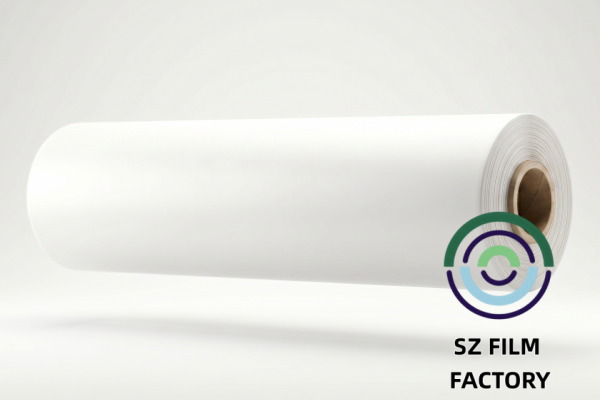
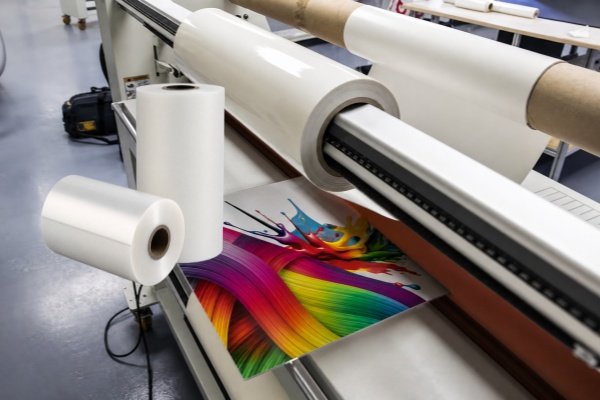
The unique polymer structure of BOPP makes it the most versatile carrier film for premium tactile and visual surface modifications. Because BOPP accepts specialized coatings so efficiently, it serves as the foundation for high-end packaging solutions, including:
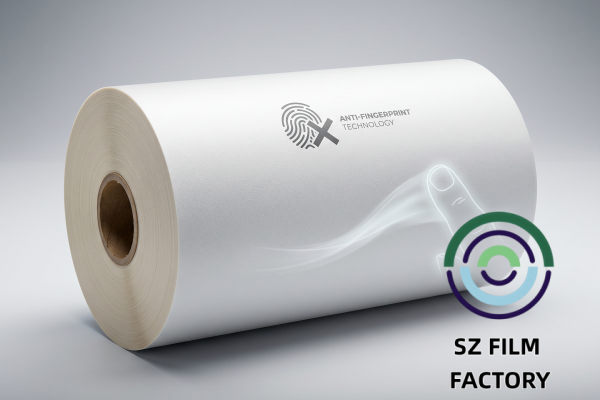
- Tactile Coatings: Delivering ultra-smooth finishes like luxury Soft-Touch and premium Anti-Fingerprint barriers.
- Protective Shields: Creating rugged surfaces like Anti-Scratch and High-Durable Films for consumer electronics boxes.
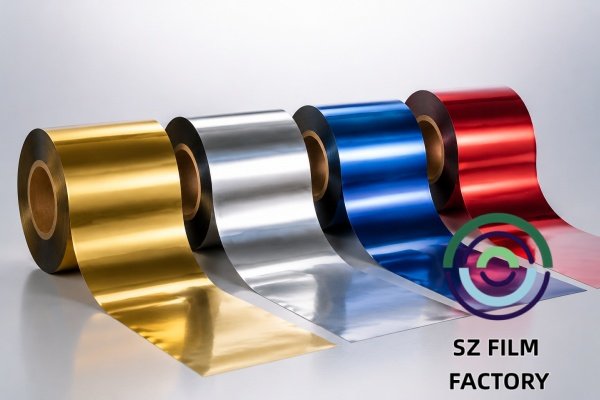
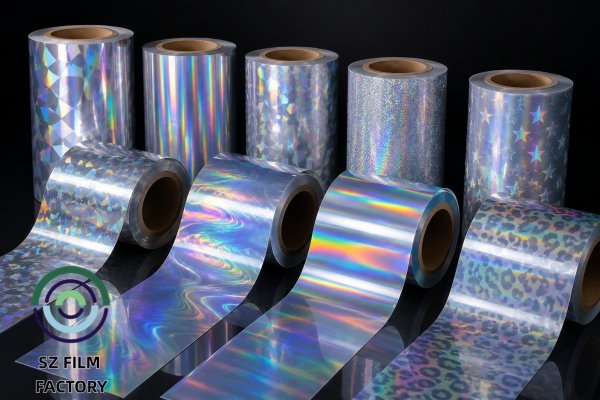
- Decorative Elements: Serving as the base for vibrant Holographic and Pearlescent visual effects.
5. Technical Comparison Summary
Choosing the right plastic base requires analyzing your post-press machinery, processing temperature, and final product environment.
| Material Base | Optical Clarity | Heat Resistance | Flexibility & Creasing | Cost Efficiency |
| BOPP | Excellent | Moderate (Up to 120°C) | Outstanding (No cracking) | Highest (Low density) |
| PET | Exceptional | Highest (Up to 200°C) | Rigid (Resists folding) | Moderate |
| PVC | High (Initial) | Low (Warps easily) | Flexible (Degrades over time) | Low (Phasing out) |
Secure High-Performance Base Films for Your Brand
Are you selecting the ideal base material to ensure your packaging stands up to shipping, shelf wear, and consumer handling? Partner with an experienced manufacturer to guarantee flawless lamination outcomes. Visit Shunzhan New Materials today to explore our advanced range of BOPP-based thermal films, high-stability PET alternatives, and specialized functional coatings engineered to elevate your brand’s presentation.